
Knife Blade Shapes Guide: Types, Uses & How to Choose
Written by Juan Arango** Former Colombian Army Infantry Officer | 7+ Years Combat Experience
Last Updated: January 2026
Quick Answer: The best knife blade shape depends on your use case. Drop point blades are ideal for EDC and general outdoor use, tanto blades excel at piercing tough materials, and clip point blades offer superior precision for detail work.
Ever picked up a knife and wondered why the blade looks so different from the one in your kitchen drawer or your friend's camping pack? You're not alone! The world of knives is vast and varied, and a fundamental aspect that dictates a knife's performance is its blade shape.
In this guide, we'll dive into some of the most common knife blade shapes, exploring their unique characteristics, strengths, weaknesses, and ideal applications. Get ready to sharpen your knowledge!
Jump to a Blade Shape
🔪 Quick Blade Shape Guide
Need a recommendation right now?
- First knife/EDC: Drop Point (versatile, durable, beginner-friendly)
- Hunting: Skinner or Drop Point (efficient field dressing)
- Tactical/Self-Defense: Tanto or Spear Point (maximum tip strength)
- Rescue/Safety Work: Sheepsfoot (prevents accidental punctures)
- Precision Work: Clip Point (sharp, controllable tip)
Not sure? The drop point is your safest bet—it handles 80% of tasks well.
The Anatomy of a Knife Blade (A Quick Look)
Before we delve into specific shapes, let's briefly touch upon some key terms:
Tip: The very end of the blade, crucial for piercing and detail work.
Edge: The sharpened part of the blade used for cutting. It can have varying curves and straight sections.
Spine: The unsharpened top of the blade, providing strength and stability.
📥 Download the Printable Blade Shape Guide
Keep this decision tree handy at the gun show, gear shop, or when helping a friend pick their first knife. We'll send you the high-res PDF—and if you're still stuck, just email juan@sftgear.com.
Common Knife Blade Types
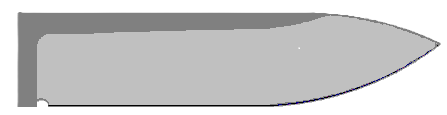
1. Drop Point Blade
Best For: EDC, hunting, general outdoor use
The drop point blade is the most popular and versatile knife blade shape available. Its gradual, convex curve from the spine to the tip creates a strong, thick point that resists breakage.
Strengths
- Strong, durable tip - Excellent for heavy-duty tasks and resists breakage
- Superior slicing control - The curved belly allows precise, controlled cutting motions
- All-purpose versatility - Handles everything from hunting to everyday carry tasks
Weaknesses
- Less precise for fine detail work - The broader point isn't ideal for intricate tasks
- Requires more force for piercing - The blunter tip needs additional pressure for initial penetration
Recommended Products
The TOPS Knives Dawn Warrior exemplifies the drop point design with its rugged construction built for tough field use. Its full-tang design and 1095 high carbon steel make it a reliable choice for hunters and outdoor enthusiasts.
For a folding EDC option, the Spyderco Tenacious runs the same drop point geometry in a lighter, pocketable package — 8Cr13MoV steel, full flat grind, and a four-way reversible clip for under $65.
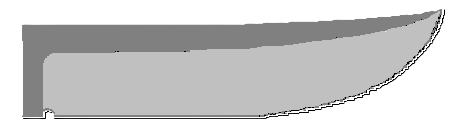
2. Skinner Blade
Best For: Field dressing game, hide removal
The skinner blade features a distinctive curved belly and often an upswept, blunt tip designed specifically for removing hides from game animals efficiently and safely.
Strengths
- Optimized for skinning - The curved belly facilitates smooth, efficient hide removal
- Prevents puncturing - Upswept blunt tip avoids damaging hides or internal organs
- Excellent for sweeping cuts - The blade shape naturally supports long, flowing motions
Weaknesses
- Not designed for piercing - The wide, blunt tip is ineffective for penetration tasks
- Limited precision - The broad belly makes intricate detail work challenging
When to Use
Skinner blades are specialized hunting tools, ideal for field dressing deer, elk, and other game. The design prioritizes hide preservation over versatility, making this a purpose-built tool rather than an all-around knife.
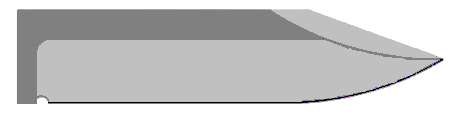
3. Clip Point Blade
Best For: Tactical use, EDC, precision cutting
The clip point blade features a "clipped" or concave cut on the spine near the tip, creating a thinner, more controlled point. This classic design has been popular since the Bowie knife era.
Strengths
- Sharp, controllable tip - Excellent for piercing and intricate detail work
- Access to tight spaces - The thinner tip allows cutting in confined areas
- Enhanced maneuverability - Lowered point provides better control for precise cuts
Weaknesses
- Weaker tip - The thinner point is more susceptible to breakage under heavy stress
- Reduced slicing surface - The clipped portion decreases belly area for long, smooth slices
Recommended Products
The versatility and piercing power of the clip point blade make it a popular choice for both tactical and everyday use. The TOPS Knives Backpacker's Bowie exemplifies this classic design. Its construction makes it a reliable tool for everything from camp chores to self-defense scenarios.
The TOPS Knives Trail Seeker is another clip point option built for all-day field carry with the same 1095 high carbon steel and a dangler sheath designed for comfort when sitting or hiking with a pack.
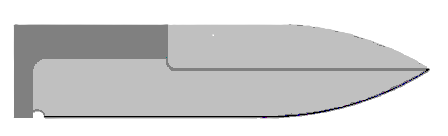
4. Spear Point Blade
Best For: Self-defense, survival, thrusting applications
The spear point blade features a symmetrical design with the point centered on the blade's axis. Both the spine and edge curve upward to meet at a sharp, reinforced tip.
Strengths
- Strong, sharp tip - Excellent for piercing and thrusting, often used in survival and rescue situations
- Symmetrical balance - The centered design provides superior handling and control
- Dual cutting edges - Many spear points are double-edged for enhanced cutting versatility
Weaknesses
- Limited for rocking cuts - The straight edges hinder smooth, continuous slicing on flat surfaces
- Aggressive tip - The very sharp point may be too aggressive for general everyday tasks
- Legal restrictions - Double-edged versions may face legal limitations in some jurisdictions
When to Use
Spear point blades excel in tactical, survival, and self-defense applications where piercing power and balanced handling are critical. Their symmetrical design makes them particularly effective for thrusting motions.
Recommended Products
The Kershaw Iridium brings the spear point into everyday carry — D2 steel, KVT ball bearings, and a clean aluminum handle for under $70.
For a larger, hard-use option, the Spyderco Shaman Lightweight offers CTS-BD1N steel and Spyderco's Compression Lock in a USA-made package built for serious work.

5. Guthook Blade
Best For: Opening game hides, specialized hunting tasks
The guthook blade features a small, sharpened hook on the spine near the tip, specifically designed for field dressing game. This specialized feature allows hunters to open hides without puncturing internal organs.
Strengths
- Specialized skinning efficiency - Opens game cleanly without damaging meat or organs
- Prevents hide bunching - The hook design keeps skin and hair from catching during cuts
- Emergency strap cutting - Can be useful in rescue situations for cutting webbing or straps
Weaknesses
- Highly specialized - Limited practical use outside of hunting and field dressing
- Can snag on materials - The hook may catch on fabric, rope, or other materials during general use
- Requires proper technique - Effective use demands practice and understanding of field dressing
When to Use
The guthook is a hunter's specialized tool, not a general-purpose knife. If you regularly field dress game, this feature is invaluable. For other users, it's an unnecessary complication that can create snagging hazards.
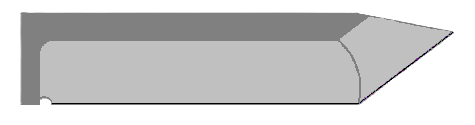
6. Tanto Blade
Best For: Heavy-duty piercing, tactical applications, hard-use tasks
The tanto blade originated from traditional Japanese sword design, featuring a high point with a flat grind and an angular profile. Modern tactical versions prioritize strength over traditional aesthetics.
Strengths
- Extremely strong tip - Holds up exceptionally well to piercing tough materials like metal, wood, or composite materials
- Excellent for scraping and prying - The robust, angled design withstands significant force without tip failure
- Exceptional durability - The thicker profile and reinforced geometry contribute to overall blade strength
Weaknesses
- Poor slicing performance - The sharp angle transition makes smooth, continuous slices difficult
- Limited belly - The straight edge offers minimal curvature for general cutting tasks
- Difficult to sharpen - The angular transition requires more skill and time to maintain
Recommended Product
While the tanto blade's aggressive profile may not suit everyone, its sheer strength and durability are unmatched for heavy-duty applications. The TOPS Knives Sky Marshall perfectly demonstrates the tanto blade's utility in tactical scenarios. Its design is a testament to purposeful, hard-use performance where tip strength is paramount.

7. Sheepsfoot Blade
Best For: Rescue work, electrical work, safe cutting applications
The sheepsfoot blade features a straight cutting edge and a curved, unsharpened spine that meets at a blunt, rounded tip. This design prioritizes safety by eliminating any piercing capability.
Strengths
- Maximum safety - The blunt, rounded tip virtually eliminates the risk of accidental piercing
- Clean, controlled cuts - The straight cutting edge is ideal for precise slicing on flat surfaces
- Robust tip design - The thicker, rounded tip is highly resistant to breakage
Weaknesses
- No piercing ability - The blunt tip is completely ineffective for penetration tasks
- Limited point precision - The rounded tip lacks the fine control needed for detailed work
- Reduced versatility - The safety-focused design limits general-purpose applications
When to Use
Sheepsfoot blades are essential tools for first responders, electricians, and anyone working in environments where accidental punctures could be dangerous or catastrophic. The design excels at cutting rope, webbing, or materials without risking injury to people or damage to underlying surfaces.
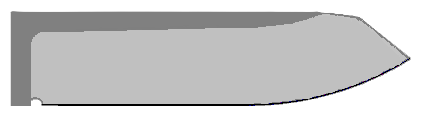
8. Spey Blade
Best For: General outdoor tasks, safe skinning, livestock work
The spey blade features a distinctive upswept edge that meets a nearly straight or slightly curved spine, creating a point that's elevated and somewhat blunt. Originally designed for castrating livestock, modern spey blades serve as versatile outdoor tools.
Strengths
- Safe for skinning - The blade shape naturally facilitates sweeping cuts without puncturing
- Reduced puncture risk - The blunt, elevated point minimizes accidental penetration
- Versatile for general tasks - Handles a variety of everyday cutting chores effectively
Weaknesses
- Not designed for piercing - The blunt, elevated point is ineffective for penetration work
- Limited tip precision - The rounded point lacks the control needed for intricate detail work
- Less aggressive cutting - The upswept design doesn't provide the belly of other blade shapes
When to Use
Spey blades work well for general outdoor tasks where safety is important but specialized performance isn't required. They're particularly useful for hunters who want skinning capability without the aggressive tip of other designs.
9. Serrated Edge
Best For: Cutting rope, webbing, fibrous materials, rescue operations
Serrated edges feature a series of pointed teeth along the cutting edge rather than a smooth, continuous surface. While not technically a blade "shape," the serrated configuration fundamentally changes cutting performance.
Strengths
- Aggressive cutting action - Excels at cutting through tough, fibrous materials like rope, webbing, and seat belts
- Extended cutting life - Serrations maintain effectiveness longer as they "catch and tear" even when the sharp edge dulls
- Superior on wet materials - The teeth provide better grip on slippery or wet surfaces
Weaknesses
- Difficult to sharpen - Requires specialized tools and techniques; many users never properly sharpen serrations
- Rough, torn cuts - Creates less clean cuts compared to plain edges, leaving ragged edges
- Limited control - The uneven edge makes precise, controlled cuts challenging
When to Use
Serrated edges are essential for rescue workers, tactical operators, and anyone who regularly cuts rope, webbing, or other fibrous materials. Many tactical users choose partially serrated blades (combo edge) to gain both slicing and aggressive cutting capabilities.
The Spyderco Tenacious Combo Edge is a good example — plain edge for precision, serrated section for rope and webbing, all in one knife under $70.
Plain Edge vs. Serrated: Which is Better?
Plain edges are better for: clean cuts, food preparation, precision work, and easy maintenance.
Serrated edges are better for: rope/webbing, rescue operations, cutting in wet conditions, and maintaining cutting ability when sharpening isn't possible.
Combo edges (partial serration) offer the best of both worlds for tactical and EDC applications.
Quick Reference: Knife Blade Shape Comparison
| Blade shape | Primary use | Key strength | Best user |
|---|---|---|---|
| Drop point | EDC, hunting, outdoor | Versatile all-rounder | Beginners, hunters |
| Skinner | Field dressing game | Efficient hide removal | Hunters only |
| Clip point | Tactical, detail work | Precise piercing | Tactical users |
| Spear point | Self-defense, survival | Strong piercing tip | Military, rescue |
| Guthook | Opening game | Specialized skinning | Experienced hunters |
| Tanto | Heavy-duty piercing | Strongest tip | Tactical professionals |
| Sheepsfoot | Rescue, electrical work | Safe, no-pierce design | First responders |
| Spey | General outdoor tasks | Safe skinning cuts | Casual outdoorsmen |
| Serrated | Rope cutting, rescue | Cuts fibrous materials | Rescue workers |
Frequently Asked Questions
-
The drop point blade is considered the most versatile knife blade shape. Its strong tip, controlled slicing ability, and durability make it ideal for EDC, hunting, and general outdoor tasks. The gradual curve provides excellent control for various cutting applications.
-
Tanto blades have the strongest tip, making them ideal for piercing tough materials and heavy-duty tactical use. The robust, angled design can withstand significant force without breaking, though they sacrifice slicing ability.
-
Spear point and clip point blades are best for self-defense due to their sharp, controllable tips that excel at piercing. The spear point offers a strong, symmetrical design, while the clip point provides better maneuverability in tight spaces.
-
Plain edge knives are better for clean, precise cuts and easier to sharpen. Serrated edges excel at cutting rope, webbing, and fibrous materials, maintaining cutting ability longer. Many tactical users prefer a combination of both.
-
Drop point blades are used for hunting, EDC, outdoor tasks, and general-purpose cutting. The strong tip resists breakage, the curved belly allows controlled slicing, and the versatile design handles most everyday cutting needs.
-
Skinner and guthook blades are best for skinning game. The skinner's curved belly facilitates efficient hide removal, while the guthook's specialized hook design opens game without damaging internal organs or meat.
Related Guides
Blade shape determines how a knife cuts. These guides cover the next two variables:
- Knife blade grinds guide — how flat, hollow, and convex grinds affect real-world cutting performance
- Knife steel types guide — how to match steel to your carry style and budget
Download the free steel comparison chart
A printable reference covering the most common EDC knife steels — edge retention, corrosion resistance, and value at a glance. Get the free chart.
Ready to choose?
Browse our full knife selection — every knife in the store was chosen because it performs, not because it has a recognizable logo. If you're not sure where to start, email juan@sftgear.com — I respond to every message personally.